
Getting a home ready for an Ontario winter is mostly about water and heat: keeping pipes from freezing, letting melt drain away from the house, and making sure the furnace and alarms work. Clean the eavestroughs, shut off and drain the outdoor taps, find your main water shut-off, have the furnace serviced and change its filter, test the smoke and carbon monoxide alarms, and seal the drafts around windows and doors.
Key points
Do the outside jobs before the first hard frost: eavestroughs, outdoor taps, hoses and rain barrels.
Keep any space with water pipes above 8°C all winter, including when you're away (City of Toronto).
Since 1 January 2026, Ontario homes with a fuel-burning appliance, a fireplace or an attached garage need a carbon monoxide alarm on every storey as well as outside each sleeping area.
Keep indoor humidity between 30 and 45% in winter (Tarion).
Turning the thermostat down to 17°C when you sleep or are out costs nothing and cuts heating costs (Natural Resources Canada).
Households under set income limits can get free insulation, draft proofing and a smart thermostat from Enbridge Gas.
The checklist at a glance
| Job | When | Do it yourself? | If you hire it out |
|---|---|---|---|
| Clean the eavestroughs and check the downspouts | After the leaves are down | On a single storey, carefully | $150 to $350 (eavestrough guide) |
| Shut off and drain outdoor taps, disconnect hoses | Before the first hard frost | Yes | |
| Disconnect rain barrels, reconnect downspouts | Before the first hard frost | Yes | |
| Blow out the irrigation system | Before the first hard frost | Follow its manual | Your irrigation company |
| Find and test the main water shut-off | Any time | Yes | |
| Insulate exposed pipes | Before the cold | Yes, with foam pipe covers | |
| Service the furnace and change the filter | Early fall | Filter yes, service no | A licensed HVAC technician (furnace guide) |
| Test the sump pump and its backup battery | Fall | Yes | Inspection $168 to $200 (sump pump guide) |
| Test smoke and CO alarms | Monthly | Yes | |
| Seal drafts at windows and doors | Fall | Yes | |
| Check the HRV and bathroom fans | Fall | Yes | |
| Line up snow clearing | Before the first snowfall | Yes, or hire | $570 to $1,730 a season (snow guide) |
Prices are before HST and come from our cost guides, each with its own sources and date.
Outside
Eavestroughs and downspouts
Clear out leaves, twigs and nests so water can drain instead of collecting and freezing. Run a hose down each downspout to make sure it flows. Check that every downspout empties onto the ground away from the foundation. In Toronto, downspouts must be disconnected from the city sewer; low-income seniors and people with disabilities can get up to $500 back for the work.
If you can't do it safely from a ladder, hire it out. Most homes need cleaning twice a year: in late spring, and in late fall after the leaves are down.
Outdoor taps, hoses and pools
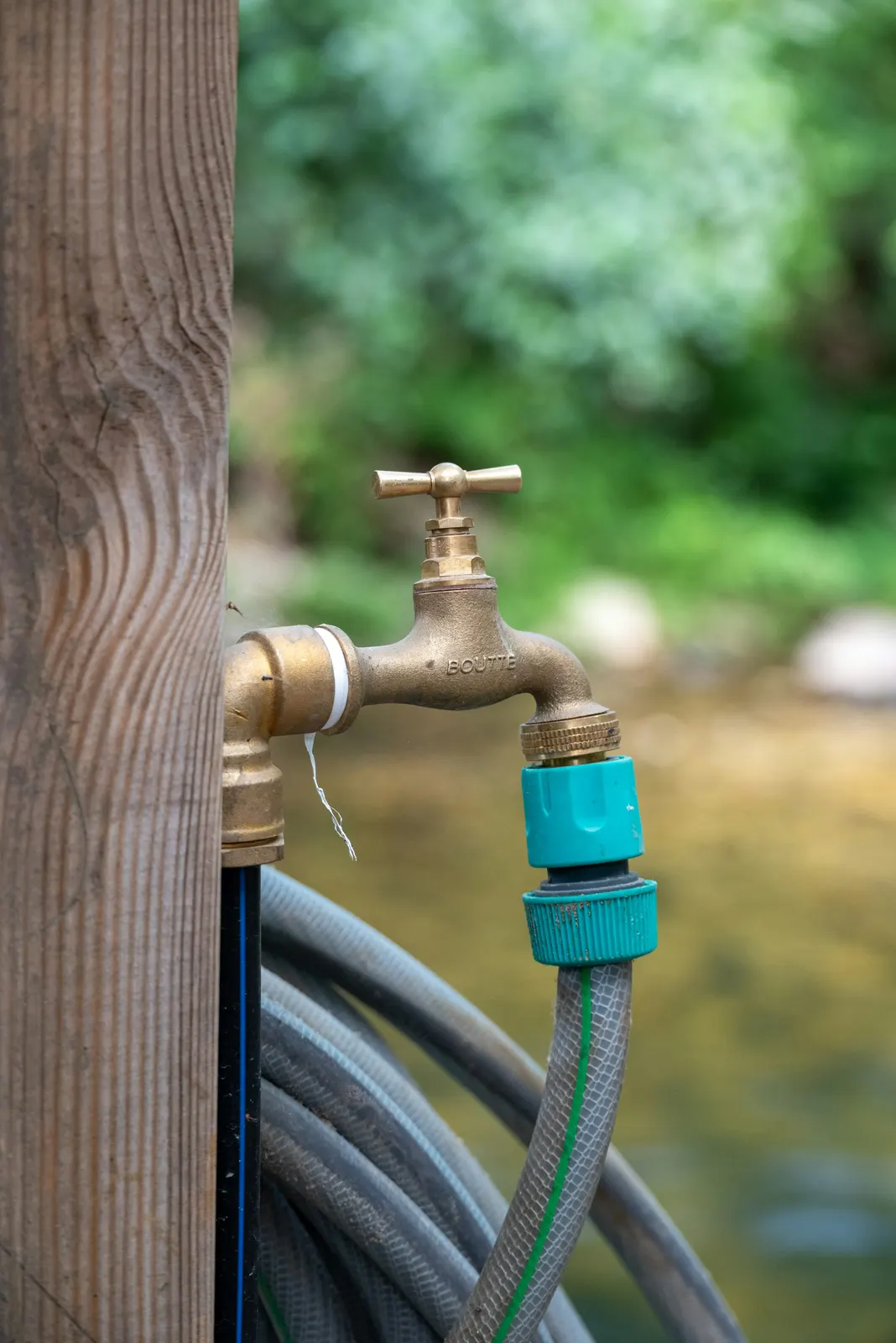
The City of London's advice: check whether each outdoor tap is frost-free (if the knob sticks straight out from the house, it is). Whether it is or not, turn off the water to outdoor taps from the shut-off inside, open the tap to drain it, then close it for the season. Disconnect every garden hose: a hose left attached can freeze the tap and the hose with it.
Close the pool, drain outdoor pumps and store them somewhere dry. Winterize the irrigation system following its manual, or call the company that installed it.
Rain barrels
Disconnect them from the eavestrough for the winter. If you can't store them inside or under cover, turn them upside down. Reconnect the downspout so winter melt drains away from the foundation.
Vents, meters and the roof
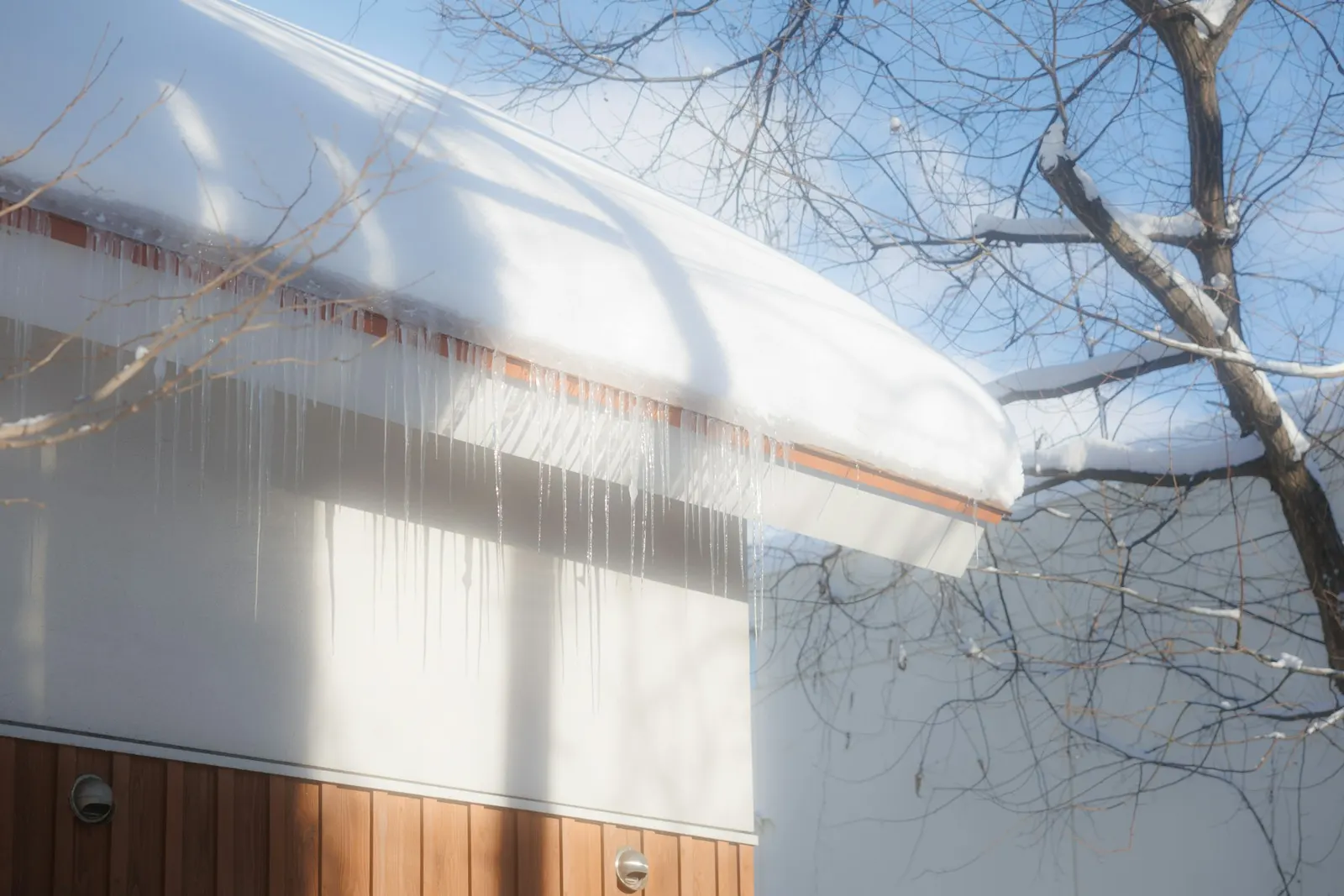
Keep the furnace and water heater vents, air intakes and gas and hydro meters clear of snow all winter, so air can flow and the meters can be read. If you see heavy ice building up on the roof, have a professional clear it rather than going up yourself (Tarion).
Snow
Book a snow removal contract before the first snowfall if you plan to hire one, and get the trigger depth, the area covered and salting in writing. Our snow removal guide covers prices, contracts, snow blowers and city programs for seniors.
Water and pipes
Find your main water shut-off
If a pipe bursts, turning off the main water supply fast is what limits the damage. The valve has a wheel or a lever, and may be in the basement, a crawl space or outside (City of London). Find it now, check that it turns, and show everyone in the house where it is.
Stop pipes from freezing
The City of Toronto's advice:
- Seal drafts around windows, doors, vents, wiring and pipes.
- Insulate exposed pipes in the basement, crawl space, garage and attic. Foam pipe covers are cheap and easy to fit.
- Keep areas with water pipes above 8°C, especially near the water meter.
- Keep the garage door closed if there are pipes in the garage.
- Keep the home warm overnight and when you're away. If you control the thermostat, raise it by one or two degrees on very cold nights.
- When nights drop below -15°C, you can run a pencil-thin stream of water from a tap on a vulnerable pipe. You pay for the water, so keep it for the coldest nights.
If a pipe freezes
- Open the cold tap in the basement, ideally the laundry tub, so water can flow as the ice melts.
- Warm the pipe with a hair dryer, a heating pad or warm towels. Never leave a heater unattended.
- Never use a torch, propane heater or any open flame. They are a fire and carbon monoxide hazard.
- Thawing can take one to six hours. If you still have no water, call a licensed plumber.
If a pipe has burst, turn off the main water supply right away.
The sump pump
Pour a pail of water into the pit and watch the pump switch on and empty it. If you have a battery backup, check the battery: they last about 3 to 5 years. A frozen or blocked discharge line can damage the pump, so make sure the outside end is clear. Our sump pump guide covers types, backups and city subsidies.
Heating
Service the furnace and change the filter
Have a licensed technician service the furnace every one to two years (Enercare), ideally before the heating season. Natural Resources Canada says to change the furnace filter if it has been more than three months, or as often as your furnace's manual says. Clean the HRV if you have one and wash or replace its filter (Tarion).
Keep furniture and rugs off heat registers, baseboard heaters and air returns so air can move. If your furnace is around 15 years old or more, our furnace guide covers what a replacement costs and the rebates available.
Set the thermostat
Natural Resources Canada suggests 20°C when you're home and awake, and 17°C when you're asleep or out. A smart or programmable thermostat does this for you. Lowering the setting by 2 to 3°C is one of the cheapest ways to save on heating, which is about 61% of the energy an average Canadian home uses.
Safety alarms
Carbon monoxide alarms
A home needs a carbon monoxide (CO) alarm if it has a fuel-burning appliance (such as a furnace, water heater or stove that burns natural gas, propane, oil or wood), a fireplace or an attached garage. From 1 January 2026 the rule also covers a home heated by a fuel-burning appliance outside it, such as one in a utility shed. Since 1 January 2026, Ontario requires a CO alarm outside each sleeping area and on every storey, including storeys without bedrooms. Owners are responsible in their own homes, and landlords in rental homes. Buy an alarm with the mark of a recognized testing agency such as CSA, ULC or Intertek (ETL); hardwired, battery and plug-in alarms are all allowed, and combined smoke and CO alarms are common.
Test CO alarms monthly with the test button and replace the batteries every year. If a CO alarm sounds, get everyone out right away and call 9-1-1 from outside. Signs of CO poisoning include headaches, nausea, dizziness, confusion and drowsiness.
Smoke alarms
Every Ontario home must have a working smoke alarm on every storey and outside all sleeping areas. Test them monthly and replace any alarm older than 10 years (City of London). Not having working smoke alarms can bring a fine.

Inside: humidity, air and drafts
Humidity
Tarion puts healthy indoor humidity in winter at 30 to 45%. A hygrometer from a hardware store tells you where you are. If it's too high, run the bathroom fan and kitchen range hood when you shower and cook, and use a dehumidifier. If it's too low, wood can shrink and finishes can suffer, so use a portable humidifier.
Drafts
Check the caulking and weatherstripping around windows and doors, and seal any gaps. Close curtains and blinds at night to hold heat in, and open them on sunny mornings to let it in. Set ceiling fans to turn clockwise in winter to push warm air down from the ceiling (Natural Resources Canada).
If you'll be away
- Keep the heat on. The City of Toronto says to keep areas with pipes above 8°C, including when you're away.
- Turn off the main water supply to lower the risk of a flood, and set the water heater to vacation mode or turn it down (City of London).
- Read your home insurance policy before you go. It may say how often someone must check the home while you're away, and what isn't covered if the home sits empty. Ask your insurer if you're unsure.
- Arrange for snow clearing, and for someone to check the house.
Free and paid help
| Program | What you get | Who qualifies |
|---|---|---|
| Enbridge Gas Home Winterproofing Program | Free insulation, draft proofing and a smart thermostat, after a free home energy assessment | Enbridge Gas customers heating with natural gas, in a house, semi, townhouse, duplex or triplex, with household income at or under the limit (for example $96,439 for four people) or on certain benefits. Tenants can apply with the landlord's written permission. |
| Home Renovation Savings Program | Rebates on heat pumps and other upgrades | See our furnace guide for the current amounts |
| Toronto downspout disconnection | Up to $500 back for the work | Low-income seniors and people with disabilities in Toronto |
| City basement flooding subsidies | Part of the cost of a backwater valve or sump pump | Toronto, Mississauga, Peel, Halton and Hamilton; see our sump pump guide |
| City snow help | Windrow clearing or a subsidy | Seniors and people with disabilities in several cities; see our snow guide |
iSources: Enbridge Gas, Home Winterproofing Program (income limits change every year); City of Toronto, Mandatory Downspout Disconnection.
Questions people ask
What do I need to do to prepare my house for winter?
Clean the eavestroughs, shut off and drain the outdoor taps and disconnect hoses, find your main water shut-off, insulate exposed pipes, service the furnace and change its filter, test the sump pump, test your smoke and CO alarms, and seal drafts around windows and doors. The checklist above has the rest.
What needs to be done to winterize a house?
The same list. If the house will sit empty, also keep the heat on, turn off the main water supply, turn the water heater down and have someone check it as often as your insurance policy requires.
What's the coldest you should let your house get in the winter?
For comfort and savings, Natural Resources Canada suggests 17°C when you're asleep or away and 20°C when you're home. To protect pipes, never let any space with water pipes drop below 8°C (City of Toronto).
What temperature should I leave a vacant house in winter in Canada?
There is no single rule. The City of Toronto says to keep any space with water pipes above 8°C. Your home insurance policy may set its own conditions for an empty home, such as how often someone checks it, so read it before you leave. Turning off the main water supply lowers the risk of a flood.
What is the cheapest way to keep your house warm in the winter?
Seal drafts, close curtains at night and open them to the sun in the morning, keep vents and registers clear, change the furnace filter, and turn the thermostat down to 17°C when you're asleep or out. If your household income is under Enbridge's limits, the Home Winterproofing Program adds insulation and draft proofing for free.
What are the five P's of winter safety?
It's a memory aid used by weather and emergency services: protect people, pets, pipes and plants from the cold, and prevent fires from space heaters and other heat sources. For a home, "pipes" and "prevent fires" are the two that need work before winter: insulate exposed pipes, and test your smoke and CO alarms.
What are some important winter checklists for homeowners?
Fall prep (this guide), a monthly check through winter (alarms, the sump pump, the furnace filter, snow off vents and meters), and a spring walk-around for what the winter loosened. Our home maintenance hub groups them by season.
When should I get my home ready for winter in Ontario?
Do the outside water jobs before the first hard frost, and the eavestroughs once the leaves are down. Book the furnace service early in the fall, before you need the heat.
Use Zulma for this
- To-dosYour home's to-do list
Add the jobs on this list to your home's to-do list, so nothing slips before the first frost.
- SystemsYour home's systems
Put your furnace, water heater and sump pump in your home's systems, so their ages are on record when it's time to service or replace them.
- DocumentsYour home's documents
Keep the furnace service invoice, warranties and receipts in your home's documents.
- ProjectsStart a projectLog it in your home's activity
When you hire out a job, start a project to get quotes, and log it in your home's activity when it's done.
- Zulma AtlasFind a business in your town
Need someone? Find a business in your town on Zulma Atlas.